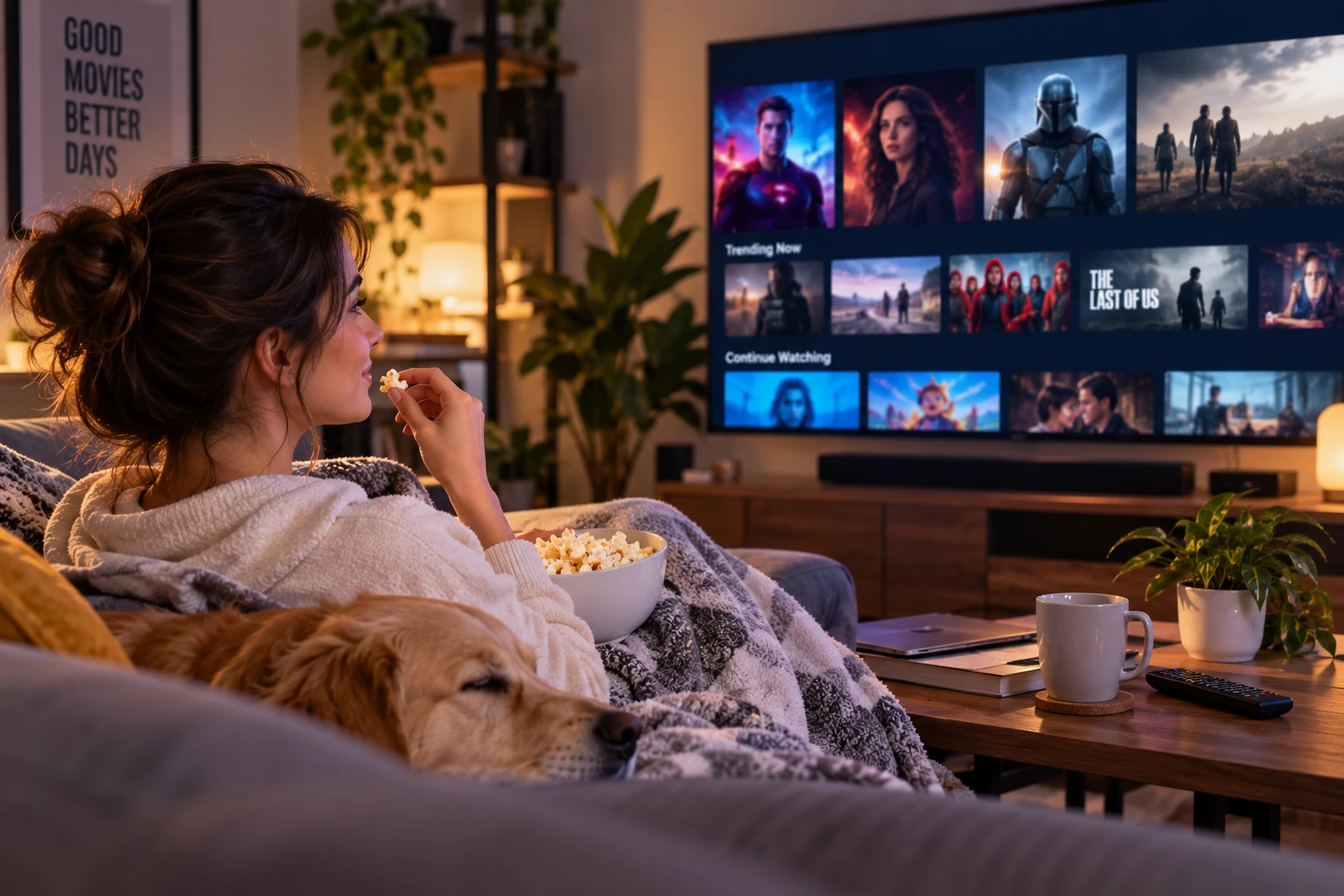
The way people watch movies and television has changed dramatically over the last decade. Traditional television schedules and physical media have increasingly been joined by streaming platforms that allow viewers to watch entertainment through internet-connected devices.
Instead of waiting for a particular program to air at a specific time, viewers can often choose what they want to watch and when they want to watch it. This shift has changed not only viewing habits but also the way entertainment is produced, distributed, discovered, and discussed.
On-Demand Viewing Has Changed Daily Routines
One of the biggest advantages of streaming is on-demand access. Viewers can select a movie, television episode, documentary, or other program whenever it is convenient.
This flexibility has changed the idea of scheduled television. People no longer necessarily have to organize their evenings around the broadcast time of a favorite show. They can watch during a lunch break, after work, while traveling, or whenever they have free time.
Streaming has therefore made entertainment more compatible with increasingly flexible lifestyles.
Binge-Watching Has Become Common
Traditional television usually required viewers to wait for the next episode of a program. Streaming platforms helped popularize binge-watching, where multiple episodes can be viewed consecutively.
When an entire season is available, viewers can decide how quickly they want to progress through a story. Some may watch one episode at a time, while others may watch several episodes in a single sitting.
This has also influenced storytelling. Some television productions are structured around longer story arcs, encouraging viewers to continue from one episode to the next.
Entertainment Is No Longer Limited to the Television
Streaming has expanded the number of devices used for entertainment. Smart televisions, smartphones, tablets, laptops, and other connected devices can provide access to streaming content.
This means people can move between screens depending on their circumstances. A movie might be watched on a large television at home, while a short episode or program can be viewed on a phone while traveling.
The result is a more flexible entertainment environment.
Personalized Recommendations
Streaming platforms also use recommendation systems to help viewers discover content. Instead of browsing only through television channels or a physical video store, viewers can receive suggestions based on their previous viewing activity and preferences.
This can make it easier to find movies and shows that might otherwise be overlooked. At the same time, recommendations can influence what audiences discover because the content displayed prominently on a platform can shape viewing choices.
More Variety for Viewers
Streaming has expanded access to different types of entertainment. Alongside major movies and popular television series, audiences can find documentaries, international productions, independent films, older programs, animation, reality shows, and specialized content.
This variety allows viewers to explore genres and cultures beyond what may have been available through traditional local television schedules.
For viewers interested in international entertainment, streaming can also make content from different countries easier to discover and follow.
The Rise of Original Content
Streaming platforms have increasingly invested in original movies and television programs. This has changed the competitive environment within the entertainment industry.
Instead of relying only on traditional television networks or movie theaters, production companies and streaming services can develop programs specifically for online audiences.
Original streaming productions have also helped create new opportunities for actors, writers, directors, and other creative professionals.
The Movie-Watching Experience Is Changing
Streaming has also affected how people watch movies. Going to a theater remains an important form of entertainment, but viewers now have another option: watching many films at home through digital services.
A home viewing experience offers convenience and flexibility. People can pause the movie, adjust the volume, use subtitles, and watch according to their own schedule.
However, the theater experience continues to offer features that home viewing does not fully reproduce, including a large screen, dedicated sound systems, and a shared audience environment.
Subscription Choices and Costs
The growth of streaming has created another consideration for consumers: managing multiple subscriptions. As more services offer exclusive movies and shows, viewers may subscribe to several platforms to access different libraries.
This can make entertainment more fragmented. A person interested in several specific programs may need to compare subscription prices, available content, advertising options, and cancellation policies.
Consequently, viewers are increasingly making choices about which services provide enough value for their individual viewing habits.
Social Conversations Around Shows
Streaming has also changed how audiences discuss entertainment. Social media, online communities, reviews, and video platforms allow people to discuss episodes and movies almost immediately after watching them.
A show can become part of a wider cultural conversation through clips, memes, reviews, fan theories, and discussions.
However, this also creates a challenge for viewers who prefer to avoid spoilers. Popular shows can generate online conversations so quickly that avoiding major plot details can be difficult.